

Every business creates waste, but not all of it has to end up in a landfill. More companies across the Piedmont Triad are paying attention to what happens to their trash, and the idea of Zero Waste to Landfill is becoming more than just a buzzword. It’s a practical goal that can be reached in small steps, and it often leads to cleaner workplaces, lower costs, and a lighter environmental footprint. Even small changes can add up to a big difference over time.
What Zero Waste to Landfill Really Means
Zero Waste to Landfill means that at least 90% of a business’s waste is kept out of landfills. This is usually done through recycling, composting, reuse, and better organization of what gets thrown away. The goal isn’t to be perfect. Instead, it’s about doing a little better each month and paying attention to where materials go when they leave the building.
When businesses follow this approach, trash is no longer seen as something that just “goes away.” Instead, it becomes something that can be managed more thoughtfully. Items that might have been tossed without a second thought like cardboard, paper, food scraps, packaging can often be reused, recycled, or handled in more sustainable ways.
Why Businesses Are Moving Toward Zero Waste
Businesses choose to work toward Zero Waste to Landfill for a variety of reasons, and many find that the benefits show up sooner than expected. As waste-disposal costs continue to rise and sustainability becomes a higher priority, organizations are looking for practical ways to reduce both expenses and environmental impact. Zero Waste initiatives offer a clear, measurable path forward. With the right systems in place, even small improvements can lead to meaningful long-term gains.
It Helps Reduce Disposal Costs
When less material goes to the landfill, fewer trash pickups are needed, and those pickups cost less. Many businesses discover that a large portion of what they throw away doesn’t actually belong in a landfill, so shifting it to recycling or composting naturally lowers expenses. By improving material separation and reducing contamination, organizations can further cut down on overflow fees and emergency hauls. Over time, these changes contribute to more predictable and manageable waste-related spending.
It Supports Sustainability Goals
More companies are trying to be environmentally responsible, whether because of internal goals, community expectations, or simply wanting to do the right thing. Reducing landfill waste is one of the most visible and straightforward ways to demonstrate progress toward sustainability. Zero Waste efforts also help organizations track and report meaningful metrics, which strengthens accountability. These actions collectively reduce environmental impact and reinforce long-term sustainability commitments.
It Builds Trust with Customers and Employees
People notice when a business makes an effort to reduce waste. It sends the message that the company is mindful, responsible, and invested in the future of the community. Employees often appreciate working for organizations that care about their environmental impact, which can boost morale and engagement. This increased trust strengthens the organization’s reputation and builds stronger relationships with both customers and staff.
It Helps Keep Up with Local Expectations
Across North Carolina, communities are paying more attention to recycling and waste reduction. As local programs expand and environmental expectations grow, businesses are expected to play an active role in these efforts. Working toward Zero Waste to Landfill helps companies stay aligned with community priorities and avoid potential issues as regulations evolve. By staying ahead of local expectations, businesses create smoother operations and better long-term compliance.
How to Begin the Zero Waste to Landfill Journey
Getting started doesn’t have to be complicated. Most businesses move toward Zero Waste to Landfill through simple, steady changes.
1. Take a Good Look at Your Waste
A basic waste review helps show what is actually being thrown away. Many businesses are surprised by how much of their waste stream is made up of recyclable or compostable material. Understanding what’s in the trash makes it easier to make changes that actually work.
2. Set Small, Achievable Goals
Clear goals help keep the process from feeling overwhelming. Businesses often start by focusing on just one or two waste streams usually cardboard, paper, or plastic before tackling more complex materials like food waste.
3. Teach Your Team the Basics
Clear signs and simple instructions can make a big difference. When employees know where materials should go and why it matters, they become part of the solution. Even quick reminders or occasional check-ins help the system run smoothly.
4. Separate Waste Streams
Separating cardboard, recyclables, food waste, and general trash make everything easier to manage. When items are sorted properly from the start, the amount of waste going to a landfill drops quickly.
5. Work With Waste Partners Who Can Adapt
A flexible waste partner can make the process much easier by adjusting pickup schedules, providing different container sizes, or offering advice when waste levels change.
Common Challenges to Watch For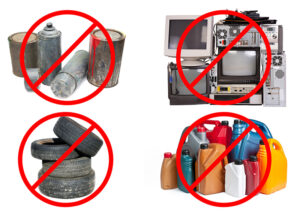
Every Zero Waste to Landfill effort has a few bumps along the way, but most are easy to fix with a little planning. Understanding these challenges early helps businesses avoid disruptions as they roll out new practices. Many issues stem from small habits, unclear procedures, or mismatched equipment rather than major operational flaws. With the right support, each challenge can be turned into a manageable and often preventable part of the process.
Contamination
This happens when the wrong items end up in the wrong bins like food scraps mixed with paper or plastic. Contamination can reduce recycling efficiency and increase landfill costs, especially when loads are rejected or downgraded. Good labels, clear instructions, and occasional reminders usually help reduce this problem. Reinforcing proper sorting habits creates cleaner, more efficient waste streams over time.
Overflow During Busy Seasons
Retail holidays, peak seasons, large deliveries, or major events can cause spikes in waste. Without preparation, this can lead to overflowing bins, extra pickups, and avoidable fees. Planning ahead by adjusting container sizes or pickup schedules helps keep things running smoothly. Staying proactive ensures that seasonal changes don’t derail a business’s Zero Waste progress.
Using the Wrong Containers
If containers are too big, too small, or not suited for the type of material being collected, waste streams can get messy. This often leads to contamination, overflow, or inefficient handling practices. Matching the right bin to the right waste type makes a noticeable difference in both cleanliness and productivity. Proper container selection supports smoother waste movement and keeps recycling programs effective.
Helpful Tools for Going Zero Waste
If containers are too big, too small, or not suited for the type of material being collected, waste streams can get messy. This often leads to contamination, overflow, or inefficient handling practices. Matching the right bin to the right waste type makes a noticeable difference in both cleanliness and productivity. Proper container selection supports smoother waste movement and keeps recycling programs effective.
Compactors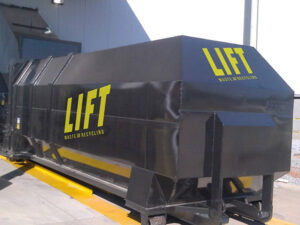
Compactors help compress trash so it takes up less space. By reducing volume, businesses often experience fewer overflows and require fewer waste pickups. This not only lowers operational disruptions but can also lead to measurable cost savings. Their use makes overall waste management simpler and more predictable. Lift Waste facilitates commercial trash compactor sales, rental and repair.
Recycling Stations
These stations give employees and customers a clear place to sort items. When well-organized, they make good recycling habits more likely by removing confusion at the disposal point. Color coding, signage, and consistent placement further boost success. Over time, a well-designed recycling station can dramatically improve diversion rates.
Enclosed or Covered Containers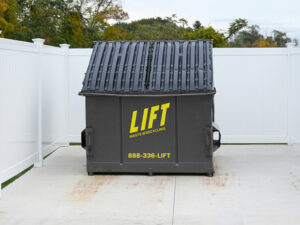
Enclosed containers keep trash cleaner and help prevent contamination from weather, pests, or unauthorized dumping. They also reduce odors and create a more professional-looking waste area. A tidier waste setup helps employees maintain better daily habits. Ultimately, these containers support a cleaner, safer, and more efficient waste system. Lift Waste rents a variety of sizes of front load dumpsters. Learn more about the appropriate waste options for your business by scheduling a waste audit.
A Smarter, Cleaner Way to Handle Waste
Choosing a Zero Waste to Landfill path doesn’t require major overhauls or expensive equipment. Most progress comes from small shifts like better sorting, clearer signage, more thoughtful decisions about what gets thrown away. Businesses that stay consistent often see cleaner work areas, simpler waste routines, and lower long-term costs.
More importantly, Zero Waste to Landfill encourages a new way of thinking about everyday waste. Instead of being something that simply disappears, waste becomes something a business can understand, manage, and improve over time.
Ready to Take the First Step?
Whether a business is just starting to explore zero-waste ideas or is ready to expand an existing recycling program, progress can be made at any pace. The process doesn’t need to be perfect, and every small win counts. By paying attention to how waste is handled and making gradual changes, any business can move closer to a future with far less going to the landfill.
Contact Lift Waste today to schedule a waste audit and learn about how we save businesses time and money managing their waste streams.

About the Author
Mark McDonald is a Co-Owner of Lift Waste & Recycling, a successful waste management company located in Greensboro, North Carolina.


