

What Is a Waste Audit and How It Works
A waste audit provides a structured review of all waste a business generates. It helps organizations understand what materials they discard and in what quantities. In addition, a waste audit shows where waste is produced within daily operations. This insight helps identify inefficiencies and cost-saving opportunities. During the process, a waste services provider or consultant reviews all waste streams. These streams include trash, recycling, and specialty materials.
As a result, businesses gain clear visibility into how waste moves through their facility. This understanding supports better operational and financial decisions.
Through the assessment, several key outcomes occur:
- Teams identify discarded materials such as paper, plastics, organics, metals, and hazardous waste.
- They measure the volume and weight of each waste category.
- They evaluate waste handling from the point of generation to final disposal.
- They uncover opportunities to reduce waste, increase recycling, and lower disposal costs.
Overall, a waste audit delivers a detailed view of the waste stream. Therefore, it becomes a critical first step toward improved efficiency and cost control.
Why Commercial Operations Use Waste Audits
 Commercial and industrial operations generate complex and inconsistent waste streams. These operations include manufacturers, offices, shopping centers, hotels, hospitals, and restaurants.
Because materials and disposal practices vary, organizations often struggle to spot inefficiencies or unnecessary costs. Over time, these issues become harder to identify.
Therefore, many businesses use waste audits to gain clarity. Audits create a clear picture of what materials are discarded and why.
In addition, audits uncover patterns, waste volumes, and contamination issues. As a result, businesses discover cost-saving opportunities and operational improvements that might otherwise go unnoticed.
Lowering Disposal Costs
Recyclables, recoverable materials, and poorly sized containers often increase disposal costs. Many businesses overspend without realizing the cause.
A waste audit pinpoints these cost drivers by showing where materials are mismanaged. It also reveals when service levels fail to match actual needs. With this insight, businesses reduce unnecessary spending and correct inefficient processes. As a result, they implement more cost-effective disposal practices. Consequently, budgets shift toward higher-value operational needs. This improves both financial efficiency and overall performance.
Ensuring Regulatory Compliance
Businesses that generate hazardous, electronic, or medical waste must follow strict regulations. Failure to comply creates financial and legal risk. A waste audit verifies that teams handle, document, and dispose of materials correctly. It also highlights gaps in current procedures. By addressing these issues early, businesses reduce the risk of fines or violations. In turn, they strengthen their overall compliance posture.
Improving Sustainability Reporting & ESG Performance
As sustainability reporting becomes more common, accurate waste data grows more important. Without reliable data, reporting efforts fall short. A waste audit delivers defensible data for ESG reporting and waste diversion tracking. It also supports broader sustainability initiatives. Because of this transparency, organizations strengthen public trust. They also align more closely with modern environmental expectations.
Optimizing Equipment and Service Plans
Many businesses unknowingly pay for excessive pickups or poorly sized containers. Others rely on outdated waste equipment. These mismatches develop gradually as operations change. As a result, they often go unnoticed for years. A waste audit identifies these inefficiencies and provides clear guidance. It recommends equipment and service plans that fit actual waste patterns. Therefore, businesses reduce unnecessary expenses and improve daily efficiency.
Reducing Contamination
Recycling contamination remains a costly challenge for many businesses. It often increases fees and reduces diversion rates. A waste audit shows where contamination occurs and why it happens. Employee habits, signage, and workflows often play a role. By understanding these causes, businesses apply targeted improvements. These solutions work better than generic training. As a result, recycling programs improve, contamination fees decrease, and diversion performance increases.
What Happens During a Commercial Waste Audit

A commercial waste company examines a business’s entire waste stream. This review takes a holistic, hands-on approach. The process includes several key steps.
On-Site Evaluation
The waste company conducts an on-site evaluation of the property. Teams review dumpsters, compactors, storage areas, loading docks, and production floors.
During the walkthrough, auditors observe how waste is generated and collected. They also track how materials move throughout the facility.
As a result, auditors identify bottlenecks, safety concerns, and operational missteps. These issues often remain hidden in reports or invoices.
This evaluation provides clear visibility into waste movement. It also highlights areas where inefficiencies exist.
Physical Sorting and Weighing
Auditors physically sort and measure waste samples. This step identifies exactly which materials are discarded. Through hands-on sorting, teams quantify waste composition and contamination levels. They also uncover diversion opportunities with accuracy.
By separating recyclable, compostable, and landfill materials, organizations gain clearer insight. This insight reveals true waste habits. As a result, businesses receive a detailed breakdown of waste categories and volumes.
Data Analysis
Auditors analyze historical tonnage, pickup schedules, and seasonal trends. This data adds important context to physical findings. In addition, long-term data reveals patterns not visible during a single visit. These patterns often expose hidden inefficiencies.
By combining site observations with data, recommendations reflect real performance. They do not rely on assumptions. Therefore, this data-driven approach aligns recommendations with actual business activity.
Operational Review
Auditors review employee handling practices, signage clarity, and equipment condition. They also evaluate workflow logistics. This step identifies behaviors or procedures that influence waste outcomes. Even small gaps can cause major inefficiencies.
In addition, auditors uncover training needs, equipment shortages, or layout challenges. These issues often hinder proper material separation. By understanding daily operations, organizations implement targeted improvements. These changes enhance efficiency and consistency.
Report & Recommendations
After the audit, the waste company delivers a detailed report. This report summarizes findings and key observations. The document consolidates data, insights, and recommendations into a clear roadmap. It focuses on practical improvement steps.
Recommended actions may include better segregation systems or expanded recycling programs. They may also include right-sized service levels or equipment upgrades. As a result, organizations receive an actionable plan. This plan helps optimize waste management and reduce costs.
Why Waste Audits Matter for Businesses
After completing a waste audit, businesses receive a clear, data-driven view of their waste stream. This clarity helps teams understand which materials they generate and how those materials move.
With accurate data, businesses make informed decisions that lead to measurable improvements. As a result, they reduce costs, improve efficiency, support sustainability goals, and maintain safer sites.
Reduce Waste Hauling Costs
Many businesses overpay for oversized containers, overflow fees, and emergency pickups. These charges often blend into routine waste-hauling invoices.
A waste audit helps eliminate these expenses by aligning service levels with actual waste generation. Therefore, businesses reduce hauling costs without disrupting operations.
Improve Operational Efficiency
Waste audits prevent overflow and reduce emergency pickups. They also improve workflow around loading docks and waste-handling zones. When employees avoid cluttered waste areas, productivity increases. In addition, improved logistics reduce downtime and minimize disruptions. Together, these operational improvements create a more streamlined and predictable work environment.
Support Sustainability Goals
Waste audits identify materials suitable for recycling or landfill diversion. As a result, businesses increase recycling rates and reduce their environmental footprint. With better visibility into waste composition, organizations set realistic sustainability targets. They also track progress more effectively. In addition, audits reveal opportunities for new diversion programs, including organics and specialty recycling. These efforts support long-term environmental commitments.
Maintain Cleaner and Safer Sites
Cleaner sites improve safety and present a more professional appearance. Fewer odors, less litter, and reduced pest activity all contribute. A waste audit identifies the sources of these issues and recommends practical solutions. Improved housekeeping practices reduce hazards in key areas. As a result, docks, storage areas, and pathways remain safer and more organized. This reflects positively on the business.
Signs Your Business May Need a Waste Audit
A waste audit may be overdue if any of the following issues are present:
- Persistent dumpster overflow
- Payment for unused container space
- Staff confusion regarding proper disposal
- Large fluctuations in waste volume
- Rising disposal or hauling costs
- Increased contamination in recycling streams
If these signs are observed, a waste audit from Lift Waste can provide immediate clarity and long-term savings.
How Lift Waste Performs a Waste Audit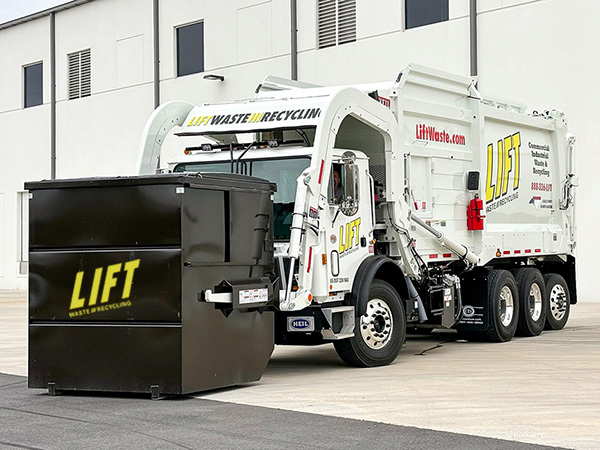
Lift Waste follows a structured, hands-on approach to optimize waste operations. This method combines field observation, data analysis, and industry expertise.
Together, these steps create a complete view of a property’s waste system. Each step focuses on uncovering inefficiencies hidden in daily routines.
As a result, businesses gain a clearer understanding of current practices. They also receive a practical plan for improvement.
On-Site Evaluation
Lift Waste walks the property and inspects all waste equipment. Teams review trash flow and inventory every waste stream.
This in-person assessment reveals real operating conditions. It avoids assumptions based only on reports or invoices. By observing how materials move from disposal points to collection, inefficiencies become clear. Bottlenecks and workflow issues stand out quickly. Therefore, all recommendations reflect actual site behavior.
Data Collection and Waste Volume Review
Lift Waste measures actual waste volume against container size. This step determines whether the business is under- or over-serviced. Often, this comparison reveals excess service costs or insufficient capacity. Both issues lead to overflow or added fees. Lift Waste analyzes recorded weights, fill levels, and pickup frequency. These details expose service mismatches.
With accurate volume data, businesses align service levels with real demand. Lift Waste also offers guidance on choosing the right waste solution for your business.
Recommendations and Optimization Plan
Lift Waste delivers customized recommendations for each property. These include right-sized dumpsters, adjusted pickup schedules, and equipment improvements. In addition, recommendations often enhance recycling programs. Each solution matches the business’s operational rhythm. Lift Waste also identifies opportunities for long-term savings. These improvements increase efficiency and control costs. As a result, the optimization plan serves as a clear implementation roadmap.
Seasonal Adjustments
Seasonal or project-based changes often affect waste volume. Lift Waste plans proactive adjustments to avoid overflow or emergency pickups. This planning keeps waste systems aligned with busy and slow periods. It prevents last-minute service changes.
Lift Waste reviews historical data and upcoming activities. This foresight allows teams to address issues before they occur. Consequently, businesses experience fewer disruptions and more predictable costs year-round.
Benefits of an Optimized Waste System
An optimized waste system lowers monthly expenses and reduces pickups. It also supports cleaner properties and stronger compliance. In addition, predictable service improves budgeting and sustainability performance. These gains benefit employees and customers alike.
Businesses gain better control over waste operations. They also reduce exposure to unexpected fees or service problems. Ultimately, these benefits deliver long-term stability and measurable cost savings.
How Often Should a Waste Audit Be Conducted?
Most businesses benefit from an annual waste audit. This schedule keeps waste operations aligned with actual needs. Regular reviews ensure service levels, equipment, and disposal practices remain efficient. As conditions change, audits help prevent waste system drift.
Annual Reviews for Ongoing Optimization
An annual audit provides a consistent baseline for waste performance. It allows businesses to track changes in volume and composition. In addition, yearly audits help identify gradual inefficiencies. These issues often develop without clear warning signs. By reviewing waste data regularly, businesses make proactive adjustments. As a result, they avoid unnecessary costs and service mismatches.
Audits Triggered by Operational Changes
Certain changes signal the need for an additional waste audit. These changes often impact waste volume and handling. Examples include workflow changes, equipment upgrades, or increased production. New recycling requirements may also trigger a review.
Conducting an audit during these transitions ensures compliance. It also helps businesses adjust service levels before problems arise.
Staying Ahead of Costs and Compliance
Timely audits help businesses control costs and maintain regulatory compliance. They reduce the risk of fines, overflow, or emergency service fees. Therefore, regular audits support stable operations and predictable budgeting. They also help maintain optimal waste performance over time.
Who Benefits Most from Waste Audits?
 Waste audits provide value across industries, including:
- Manufacturing facilities
- Distribution centers
- Retail stores
- Property management companies
- Restaurants
- Multi-tenant buildings
- Construction sites
Organizations generating varied or high-volume waste typically see the fastest return on investment.
Conclusion
A waste audit is one of the most cost-effective steps a business can take to reduce expenses, improve sustainability, and streamline operations. Lift Waste specializes in evaluating waste needs and delivering tailored, data-driven solutions that align with each business’s unique requirements.
Businesses seeking lower costs and a more efficient waste system are encouraged to schedule a waste audit with Lift Waste. Contact us today for an expert analysis and customized recommendations, measurable savings and a smarter waste strategy can be achieved.

About the Author
Mark McDonald is a Co-Owner of Lift Waste & Recycling, a successful waste management company located in Greensboro, North Carolina.


