
Introduction: Why Choosing the Right Dumpster Size Matters for Business Projects
Choosing the right dumpster size is an important part of planning any commercial or multi-unit project. The wrong size can slow work, create safety issues, or lead to extra hauling costs. For business owners and property managers, those problems add up fast.
Construction projects, renovations, and large cleanouts generate waste in phases. Materials change as the job moves forward. What works at the start may not work later. That is why guessing on dumpster size often leads to overflow or wasted space.
This guide focuses on Choosing the Right Dumpster Size for business use. It is designed for construction companies, remodeling teams, landlords, and property managers. The goal is to help you match dumpster size to real-world project needs, not just square footage.
Throughout this guide, you will see practical examples and planning tips. We have also included a visual dumpster size reference you can download and use during project planning. Download PDF Guide
Understanding Dumpster Types Used in Commercial Settings
Before choosing a dumpster size, it helps to understand the two main dumpster types used by businesses. Each serves a different purpose and fits different waste patterns. Selecting the right type is just as important as selecting the right size.
Front-Load Dumpsters for Ongoing Business Waste
 Front-load dumpsters are designed for regular, ongoing waste service. They are emptied on a scheduled basis, such as weekly or multiple times per week. These dumpsters are commonly used by businesses that produce consistent waste volumes.
You often see front-load dumpsters at apartment complexes, office buildings, retail centers, and restaurants. They work well for day-to-day trash and recycling. Sizes typically range from smaller units to larger containers that can handle higher traffic locations.
Front-load dumpsters are not ideal for large projects or demolition work. They fill up quickly when bulky materials are added. For project-based waste, roll-off dumpsters are usually a better option.
Roll-Off Dumpsters for Projects and Temporary Use
Roll-off dumpsters are built for short-term or project-based waste. They are delivered when needed and removed once the job is complete. This makes them ideal for construction, renovations, and large cleanouts.
These dumpsters are open-top containers that can handle bulky materials. They are commonly used during demolition phases, remodels, and tenant turnover projects. Roll-off dumpsters come in several sizes to match different project scopes.
Understanding when to use a front-load dumpster versus a roll-off dumpster helps avoid overflow, delays, and unnecessary service changes. Once the right type is selected, the next step is choosing the correct size for your specific project needs.
What Goes Wrong When Businesses Choose the Wrong Dumpster Size
Choosing the wrong dumpster size can create problems that affect both cost and productivity. These issues often show up quickly on active job sites. Understanding the risks helps prevent delays and avoidable expenses.
Dumpsters That Are Too Small
A dumpster that is too small fills up faster than expected. Overflow becomes a safety concern for workers and tenants. It can also lead to debris being left on the ground, which slows progress.
When dumpsters fill up early, extra hauls are often required. Each additional haul increases costs and can interrupt the project schedule. Crews may have to stop work while waiting for service.
Small dumpsters also increase the risk of improper loading. Overfilled containers may violate service guidelines. This can result in rejected pickups or added fees.
Dumpsters That Are Too Large
Oversized dumpsters create different challenges. Businesses may pay for capacity they never use. This wastes budget that could be allocated elsewhere on the project.
Large dumpsters also take up more space. On tight job sites, this can limit access for trucks, equipment, or deliveries. Placement issues can slow work or create conflicts with neighboring properties.
Choosing a dumpster that is larger than needed may seem safer, but it often leads to inefficiencies. The goal is not the biggest container. The goal is the right container for the waste being produced.
Key Factors That Determine the Right Dumpster Size
Choosing the right dumpster size depends on more than guessing how much trash a project will create. Several factors work together to determine the best fit. Reviewing these details upfront helps avoid service changes later.
Type of Project
 The kind of project plays a major role in dumpster sizing. Construction projects often generate heavy and bulky materials. Renovations may create waste in waves as each phase is completed.
Cleanouts usually produce a high volume of mixed debris in a short time. Ongoing commercial operations generate steady waste instead of spikes. Each situation requires a different approach to sizing.
Type of Waste Being Disposed
Not all waste takes up space the same way. Construction debris like drywall, wood, and roofing materials can fill a dumpster quickly. These materials are bulky and stack unevenly.
Cardboard and packaging take up a lot of space but weigh less. This is common in retail, warehouses, and distribution centers. Dense materials may require larger containers even if the volume seems manageable.
Volume and Project Timeline
How fast waste is generated matters as much as how much is produced. Short-term projects may need larger dumpsters to avoid multiple hauls. Long-term projects may benefit from smaller containers with more frequent service.
Projects with multiple phases often require size adjustments. Early demolition may need a larger dumpster. Finishing work may produce less waste. Planning for these changes keeps projects moving without disruption.
Dumpster Size Breakdown for Business and Commercial Use
Once you understand your project needs, the next step is matching those needs to the right dumpster size. This section provides practical guidance for common commercial dumpster sizes. It focuses on how businesses actually use them, not just their dimensions.
Small Front-Load Dumpsters for Ongoing Operations
Smaller front-load dumpsters are best for businesses with steady, predictable waste. These dumpsters are commonly used for daily trash and recycling. They work well when waste is produced evenly over time.
A 4-yard dumpster is often used by small offices or low-traffic retail locations. A 6-yard dumpster suits medium-sized businesses or smaller apartment buildings. An 8-yard dumpster is better for high-traffic commercial properties or multi-tenant locations.
These dumpsters are not designed for bulky debris. Adding construction materials or large items can cause overflow quickly. They are best reserved for regular business waste only.
Cardboard Dumpsters for Commercial Recycling
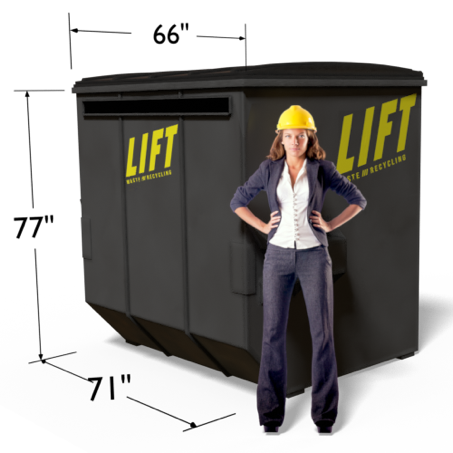 Cardboard dumpsters are designed specifically for flattened boxes and packaging materials. They are common in retail, warehouses, and distribution centers. Using a dedicated cardboard dumpster helps reduce contamination and improve recycling efficiency.
These dumpsters can hold large volumes of broken-down cardboard. They work best when staff consistently breaks boxes down before disposal. This maximizes space and reduces unnecessary service calls.
Cardboard dumpsters are often paired with front-load trash service. This setup separates recyclables from trash and keeps waste streams organized.
Roll-Off Dumpster Sizes for Projects and Cleanouts
Roll-off dumpsters are available in several sizes to match different project scopes. A 15-yard dumpster works well for small renovation phases or limited cleanouts. It handles bulky debris without taking up excessive space.
A 20-yard dumpster is a common choice for medium construction projects. It balances capacity and footprint, making it versatile for many job sites. A 30-yard dumpster fits larger remodels or multi-unit cleanouts with higher debris volume.
A 40-yard dumpster is best for major construction or industrial projects. It can handle large amounts of material without frequent hauling. These size comparisons align with the pickup truck equivalents shown in the dumpster size reference guide.
Choosing the correct size reduces delays, prevents overflow, and keeps project costs predictable.
Choosing the Right Dumpster Size by Industry
Different industries generate waste in different ways. Understanding common patterns helps business owners choose the right dumpster size from the start. This section outlines typical needs based on industry type.
Construction Companies
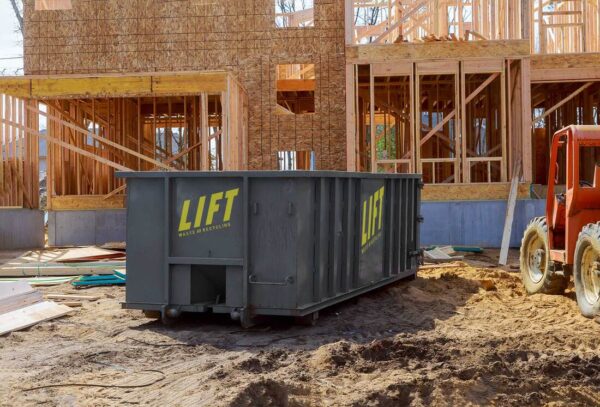 Construction projects often produce waste in phases. Early stages may involve demolition and framing debris. Later stages produce smaller amounts of finishing materials.
Larger roll-off dumpsters work best during demolition and rough construction. As the project progresses, downsizing may reduce costs. Planning for multiple dumpster sizes keeps the site clean and efficient.
Remodeling Companies
Remodeling projects generate dense and bulky waste in short bursts. Kitchen and bathroom remodels often include cabinets, drywall, flooring, and fixtures. These materials can fill dumpsters faster than expected.
A medium-sized roll-off dumpster is common for most remodels. However, larger projects or multi-room renovations may require more capacity. Choosing the right size helps avoid mid-project service interruptions.
Property Managers and Landlords
Property managers deal with both ongoing waste and project-based cleanouts. Tenant turnover can create large volumes of mixed debris in a short time. Renovations between tenants add even more waste.
Many properties use front-load dumpsters for daily operations. Roll-off dumpsters are added during cleanouts or upgrades. Selecting the right size depends on the number of units and the scope of work.
House Flippers and Real Estate Investors
House flippers focus on speed and efficiency. Delays caused by full dumpsters can impact timelines and carrying costs. Choosing the right dumpster size upfront keeps projects moving.
Larger dumpsters are often used early in the project. Smaller containers may work later as waste volume decreases. This phased approach supports faster turnarounds and better cost control.
Planning for Waste Changes During a Project
Most business projects do not produce the same amount of waste from start to finish. Waste levels often change as work progresses. Planning for these shifts helps avoid overflow, delays, and rushed service calls.
Waste Volume Changes by Project Phase
Many projects begin with a high volume of debris. Demolition, tear-outs, and material removal fill dumpsters quickly. These phases often require larger roll-off dumpsters to keep up with demand.
As the project moves forward, waste volume usually slows. Finishing work creates smaller amounts of trash. At this stage, a smaller dumpster or less frequent hauling may be enough.
Planning dumpster size by phase helps control costs. It also keeps job sites safer and more organized.
Seasonal and Timing Considerations
Some businesses see waste spikes during certain seasons. Property managers may experience higher volumes during tenant move-outs. Retail and warehouse operations often see increased cardboard during peak sales periods.
Weather can also impact timelines and waste generation. Delays may extend projects and increase dumpster usage. Factoring in timing helps prevent unexpected service changes.
Adjusting Dumpster Size Mid-Project
It is common to adjust dumpster size during longer projects. Upsizing may be needed during heavy debris phases. Downsizing later can reduce unnecessary costs.
Working with a provider that understands project flow makes adjustments easier. Proactive planning allows dumpster service to match real waste needs as they change.
How a Waste Audit Helps You Choose the Right Dumpster Size
 A waste audit takes the guesswork out of dumpster sizing. Instead of estimating, businesses use real data from their operations or past projects. This leads to better decisions and fewer service changes.
A waste audit reviews the types of waste being produced. It looks at how quickly dumpsters fill up and how often service is required. Overflow patterns and unused capacity are also evaluated. These details help identify whether current dumpsters are too large or too small.
For construction and renovation projects, a waste audit can review past jobs. This helps predict waste volume for similar future projects. Property managers can use audits to adjust dumpster sizes based on tenant turnover trends or seasonal demand.
Waste audits also help identify opportunities to separate materials. Cardboard and recyclables often take up more space than expected. Adding or adjusting recycling dumpsters can reduce trash volume and improve efficiency.
By reviewing actual waste habits, businesses can choose the right dumpster size with confidence. This approach supports cleaner job sites, smoother projects, and better cost control over time.
Common Questions Business Owners Ask About Dumpster Sizing
Even with careful planning, many business owners still have questions about dumpster sizing. These are some of the most common concerns that come up during project planning.
How do I estimate dumpster size for a construction project?
Start by looking at the type of work being done. Demolition and framing create more bulky debris than finishing work. Larger projects or multi-unit jobs usually require roll-off dumpsters with more capacity.
Past projects are also a helpful reference. If similar jobs filled dumpsters quickly, upsizing can prevent delays.
Can I change dumpster size during a project?
Yes, dumpster size can often be adjusted mid-project. This is common for longer jobs with multiple phases. Upsizing during heavy debris periods and downsizing later helps control costs.
Planning ahead and communicating changes early makes adjustments smoother.
What happens if a dumpster overflows?
Overflow creates safety risks and may violate service guidelines. Overfilled dumpsters can result in rejected pickups or additional fees. In some cases, work may stop until the dumpster is serviced.
Choosing the right size upfront helps avoid these issues.
How much space is needed to place a dumpster?
Dumpster placement depends on the container size and site layout. Roll-off dumpsters require clear access for delivery and pickup. Tight spaces may limit size options.
Reviewing placement early helps ensure the selected dumpster fits the site without disrupting operations.
Using the Dumpster Size Reference Guide for Project Planning
Visual references make dumpster sizing easier, especially during project planning. That is why we included a downloadable dumpster size reference guide with this article. It gives you a quick way to compare options without guessing.
The guide shows common front-load and roll-off dumpster sizes side by side. It also includes pickup truck load equivalents. This helps translate dumpster capacity into real-world terms that crews understand.
Business owners and project managers can use the guide during estimating and scheduling. It works well for planning renovation phases, cleanouts, and construction timelines. Keeping it on hand helps teams choose the right size before waste becomes a problem.
The reference guide also helps identify when a project may need multiple dumpster sizes. Comparing capacities makes it easier to plan for heavy debris early and lighter waste later. You can download and use our dumpster guide as part of your planning process.
Making Dumpster Sizing Simple for Your Next Project
Choosing the right dumpster size does not have to be complicated. It starts with understanding your project, your waste type, and how debris will change over time. When those factors are clear, dumpster sizing becomes a planning decision instead of a guessing game.
Business projects benefit from a flexible approach. Construction, renovations, and cleanouts often require different dumpster sizes at different stages. Planning ahead helps prevent overflow, delays, and unnecessary hauling costs.
Using tools like the dumpster size reference guide and reviewing past projects adds clarity. A waste audit can provide even more insight. These steps help match dumpster size to real-world needs, not assumptions.
The right dumpster size keeps job sites clean, safe, and efficient. It supports smoother projects and better cost control from start to finish.

About the Author
Mark McDonald is a Co-Owner of Lift Waste & Recycling, a successful waste management company located in Greensboro, North Carolina.


