
Introduction
Recycling is more than a good habit—it’s a business responsibility. Whether you run a warehouse, office, or restaurant, knowing what can and can’t go in the recycling bin helps you avoid fines, reduce waste, and protect the environment. This Commercial Recycling Guide breaks down the do’s and don’ts of recycling for businesses in the Piedmont Triad region and beyond. With clear tips based on Lift Waste’s local guidelines, you’ll know exactly how to keep your recycling program clean, compliant, and efficient.
What You Can Recycle
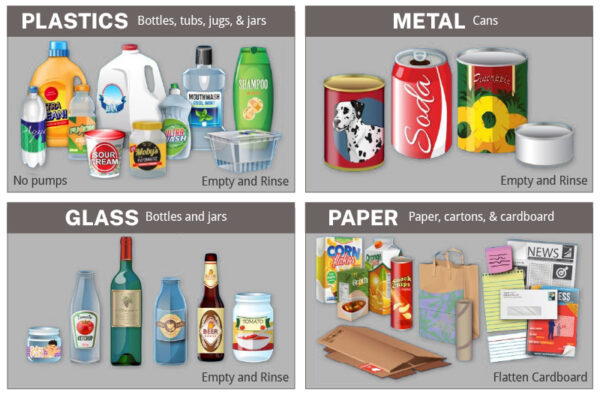 Sorting your recyclables correctly makes a big difference. These are the most common materials accepted in commercial recycling programs, based on Lift Waste’s guidelines:
Plastics
Recycle plastic bottles, tubs, jugs, and jars.
- Do: Empty and rinse before placing them in the bin.
- Don’t: Include items with pumps (like soap dispensers).
Metal
Only metal cans are accepted.
- Rinse out food or drink residue to prevent contamination.
Glass
Recycle glass bottles and jars only.
- Remove lids, empty contents, and rinse thoroughly.
- No household glassware or ceramics.
Paper and Cardboard
You can recycle mixed paper, cartons, and cardboard.
- Flatten cardboard boxes to save space.
- Make sure everything is clean and dry.
Following these basic guidelines ensures your recyclables get processed correctly—and avoids contamination that can send whole batches to the landfill.
What You Can’t Recycle
Not everything belongs in the recycling bin. Some items cause contamination, while others require special handling. Here’s what to keep out of your commercial recycling:
Contaminated or Hazardous Waste
 These items are unsafe or unsanitary for recycling facilities:
- Food-soiled containers
- Diapers
- Medical waste
- Hazardous chemicals or containers
Non-Recyclables and Confusing Items
Many materials seem recyclable but aren’t accepted:
- Styrofoam and packing peanuts
- Shredded paper
- Plastic utensils and disposable cups
- Ceramic items
- Toys and scrap wood
- Electronics
- Clothing or textiles
Special Handling Required
Some items need to go elsewhere:
- Plastic bags and wrap: Return to grocery store collection bins
- Foam packaging: Drop off at approved collection sites
- Batteries and sharps: Handle through proper disposal programs
Placing any of these items in your recycling bin can contaminate the entire load. When in doubt, throw it out—or contact Lift Waste for clarification.
Common Mistakes Businesses Make with Recycling
Even with the best intentions, many businesses recycle incorrectly. Avoiding these common errors can keep your recycling program effective and compliant.
 1. Tossing Dirty Containers
Food and liquid left in containers can ruin entire batches. Always rinse items before recycling.
2. Mixing Trash with Recyclables
Throwing in non-recyclables like plastic bags, foil, or foam leads to contamination. Keep trash and recycling separate.
3. Assuming All Plastics Are Recyclable
Not all plastic is accepted. Stick to bottles, tubs, jugs, and jars—without pumps or caps.
4. Ignoring Labels and Signage
Clear signage is key. Without it, employees may toss the wrong items into the bin.
5. Overlooking Training
If your team isn’t trained, they won’t recycle properly. A quick refresher goes a long way.
Fixing these issues is simple and helps reduce costs, prevent contamination, and improve sustainability.
Partnering with Lift Waste for Reliable Recycling
A strong recycling program starts with a trusted partner. Lift Waste provides reliable commercial recycling services for businesses across the Piedmont Triad region.
We don’t just haul materials—we help you improve how your business recycles. From clear guidance to regular pickups, our team ensures your program runs smoothly.
Here’s what you can expect with Lift Waste:
- Customized recycling solutions based on your facility and waste stream
- Educational resources like this Commercial Recycling Guide to help your staff stay informed
- Responsive customer service to answer questions and adjust service as your business grows
Whether you manage an office, warehouse, or multi-site operation, we’ll help you stay compliant and reduce waste.

About the Author
Mark McDonald is a Co-Owner of Lift Waste & Recycling, a successful waste management company located in Greensboro, North Carolina.


