

Introduction
Styrofoam is a common material used in packaging, food containers, and insulation. Many people assume it can be recycled like plastic, but that’s not the case. Most recycling programs do not accept Styrofoam because of its lightweight, air-filled structure. This makes it difficult and expensive to process.
If you’re unsure how to dispose of Styrofoam, the answer is simple—it goes in the trash. In most areas, you can place it in a standard garbage bin or dumpster. While some specialized recycling facilities exist, they are not widely available. This guide explains why Styrofoam isn’t recyclable, how to dispose of it, and what alternatives are available.
What Is Styrofoam?
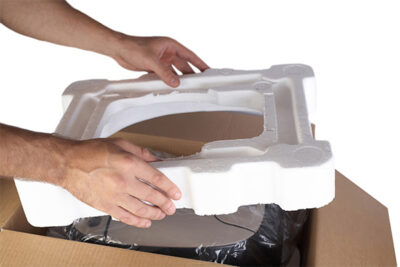 Styrofoam is a type of Expanded Polystyrene (EPS), a lightweight plastic material commonly used for packaging, food containers, and insulation. It is valued for its durability, shock absorption, and ability to keep items hot or cold. Businesses use Styrofoam to protect fragile shipments, while restaurants rely on it for takeout containers and beverage cups.
Despite its widespread use, Styrofoam is not biodegradable and does not break down naturally over time. Many people assume it can be recycled like other plastics, but most recycling programs do not accept it. This leads to confusion about the best way to dispose of Styrofoam, which we will cover in the next section.
Why Can’t Styrofoam Be Recycled?
Many people assume Styrofoam is recyclable because it’s a type of plastic, but that’s not the case. Most recycling centers do not accept Styrofoam due to several challenges:
- Difficult to Process – Styrofoam is made up of 90-95% air, making it bulky but lightweight. This makes transportation and recycling inefficient and costly.
- Contamination Issues – Food containers and cups often have grease, liquids, or food residue, which makes them unsuitable for recycling.
- Limited Recycling Facilities – While some specialized facilities can process Styrofoam, they are rare. Most cities and curbside programs do not offer collection for it.
Because of these factors, most Styrofoam products must be thrown in the trash. In the next section, we’ll cover the best way to dispose of it properly.
How to Properly Dispose of Styrofoam
 Since Styrofoam cannot be recycled in most areas, the best way to get rid of it is to throw it in the trash. Here’s how you can properly dispose of it:
- Household Trash Bins – Small pieces of Styrofoam, such as takeout containers or packaging materials, should go in your regular garbage bin.
- Dumpsters – Businesses and individuals disposing of large amounts of Styrofoam can place it in commercial or industrial dumpsters. Most waste management services accept Styrofoam as part of regular trash collection.
- Check Local Regulations – Some cities or waste providers have specific rules regarding Styrofoam disposal. If you’re unsure, check with your local waste management company.
Since Styrofoam does not break down easily, it’s important to ensure it is properly contained when disposing of it, especially in outdoor bins, to prevent it from blowing away.
Alternatives to Styrofoam
Since Styrofoam cannot be easily recycled, many businesses and consumers are looking for better alternatives. Here are a few options that serve the same purpose without the disposal challenges:
- Paper-Based Packaging – Many companies now use biodegradable paper products instead of Styrofoam for food containers and shipping materials.
- Molded Pulp – Made from recycled paper, molded pulp is commonly used for protective packaging and is both sturdy and compostable.
- Reusable Containers – Restaurants and food businesses can switch to reusable or compostable containers for takeout and delivery.
- Biodegradable Foam – Some companies offer plant-based foam packaging that breaks down more easily than Styrofoam.
These alternatives provide businesses and consumers with more practical disposal options while maintaining the durability and insulation that Styrofoam offers.
Final Thoughts
Styrofoam is a widely used material, but it cannot be easily recycled. Most curbside programs do not accept it, and specialized recycling facilities are rare. The best way to dispose of Styrofoam is to place it in a trash bin or dumpster, following local waste management guidelines.
For those looking for alternatives, paper-based packaging, molded pulp, and reusable containers offer practical options. Businesses and consumers who want to avoid the hassle of Styrofoam disposal can consider switching to these materials for packaging and food storage.

About the Author
Mark McDonald is a Co-Owner of Lift Waste & Recycling, a successful waste management company located in Greensboro, North Carolina.


