
Introduction
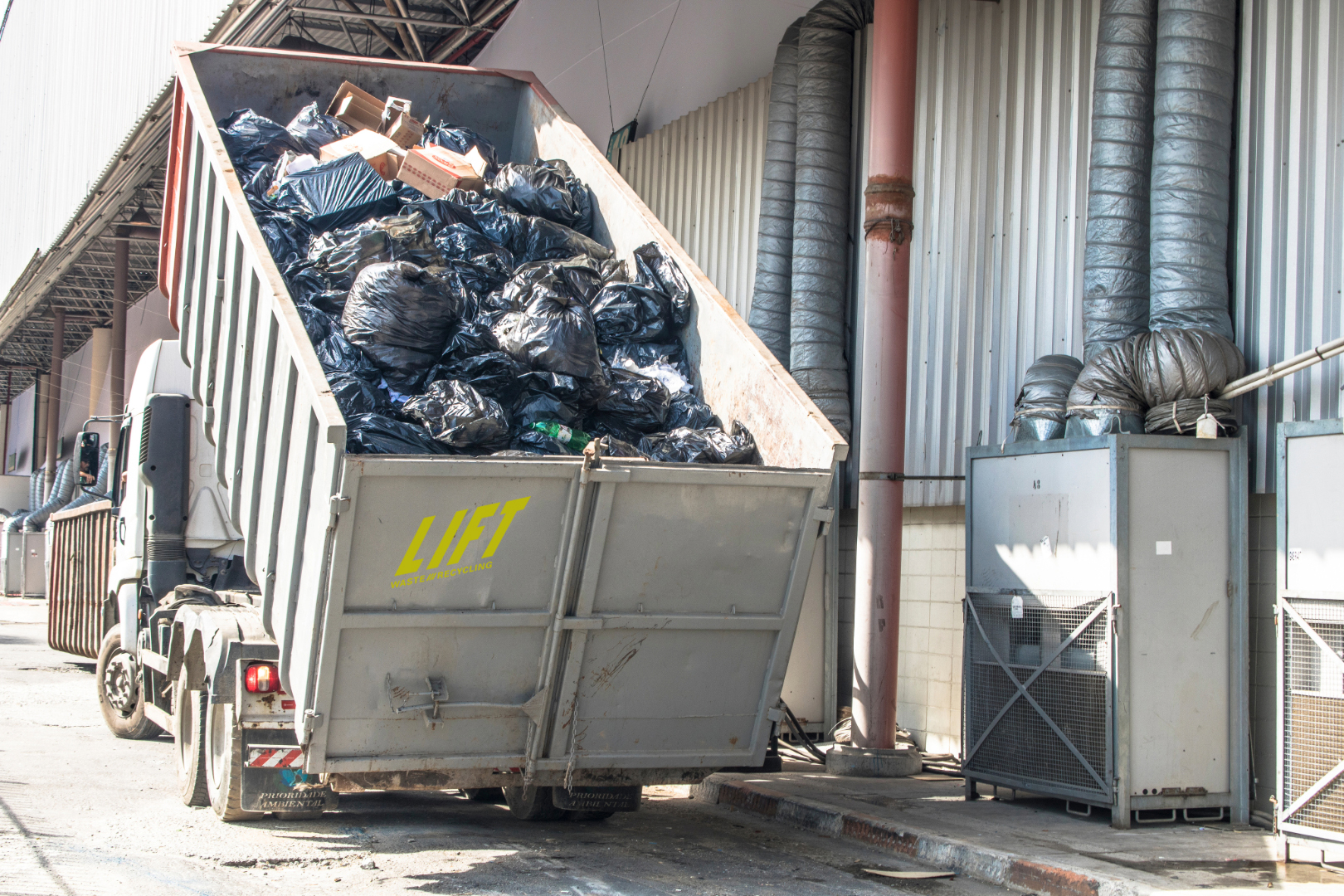
Summer brings more than just warm weather—it also brings more waste. Businesses in retail, hospitality, and food service often see a spike in trash as customer volume increases. Even office buildings and warehouses can experience a seasonal surge from packaging, events, and outdoor projects.
If you’re not prepared, this seasonal commercial waste can lead to overflowing bins, foul odors, pest problems, and extra fees. That’s why planning ahead is key.
In this article, we’ll break down why waste increases in the summer and what you can do to stay ahead of it.
Why Waste Increases During Summer
Summer is a peak time for many industries, and with more activity comes more waste. Understanding the reasons behind the seasonal spike helps you prepare effectively.
- More Foot Traffic: Retail stores, restaurants, and entertainment venues see higher customer volume. This means more packaging, disposable items, and food waste.
- Outdoor Events and Projects: Seasonal events, festivals, and construction work all contribute to additional debris and trash.
- Single-Use Surges: Warm-weather months often bring an increase in bottled drinks, disposable containers, and grab-and-go items.
- Heat and Decomposition: Warmer temperatures speed up the breakdown of organic waste, creating unpleasant odors and attracting pests.
Seasonal commercial waste isn’t just about volume—it also creates urgency. When bins fill up faster and waste becomes harder to manage, your team needs a solid plan in place.
How to Prepare for a Seasonal Spike in Commercial Waste
Preparing for seasonal commercial waste doesn’t need to be difficult. With a few smart steps, you can avoid common issues.
- Review Last Year’s Waste Trends
Look at your waste pickup history. Were there any spikes during the summer months? Use that data to plan better this year. - Adjust Pickup Schedules
If your current service isn’t enough, increase your pickup frequency. You’ll reduce overflow and improve sanitation. - Communicate with Your Team or Tenants
Make sure everyone knows the plan. Clear communication helps prevent misuse of dumpsters or improper disposal. - Evaluate Bin Placement and Access
Place containers in easy-to-reach spots, but not in high-traffic areas. This keeps waste contained without disrupting operations. - Label Everything Clearly
Use signs to show what goes in each bin. This helps improve recycling rates and reduces contamination.
Planning ahead helps you stay in control when seasonal commercial waste increases. A little preparation now goes a long way during peak season.
Equipment That Helps During Peak Waste Periods
 When seasonal commercial waste increases, having the right equipment can make a big difference. The right tools help you save time, reduce volume, and keep your space clean.
Trash Compactors
Compact your waste to take up less space. Compactors reduce the number of pickups you need and help control odors and pests. They’re ideal for businesses generating large volumes of trash.
Roll-Off Dumpsters
These are perfect for short-term, high-volume needs. If you’re remodeling, hosting a seasonal event, or cleaning out storage, a roll-off dumpster keeps everything contained.
Recycling Stations
Encourage proper recycling by adding stations for cardboard, plastic, and metal. This reduces your trash volume and can help lower your overall disposal costs.
Locking Lids and Enclosures
Keep animals and unauthorized users out. Secure bins reduce mess and improve safety on your property.
With the right equipment, managing seasonal commercial waste becomes much easier—and more cost-effective.
Avoiding Common Seasonal Waste Pitfalls
Without a plan, seasonal commercial waste can lead to bigger problems than just full bins. Here’s what to watch out for—and how to avoid it.
Overflow Fines
When trash piles up, haulers may charge extra fees. Overflowing containers also create safety risks and a poor appearance.
Pest Infestations
Warm weather and exposed waste attract rodents, flies, and other pests. Compactors and sealed containers help prevent this.
Foul Odors
Organic waste breaks down faster in summer heat. Frequent pickups and odor-control solutions are key.
Blocked Access and Safety Hazards
Trash blocking loading docks or walkways becomes a liability. Make sure bins are placed safely and emptied on time.
Missed Recycling Opportunities
During busy times, recycling can get overlooked. Remind your team what goes where and provide clear signage.
Avoiding these pitfalls helps keep your business clean, compliant, and customer-friendly—even during peak waste seasons.
Partnering with a Waste Management Company for Flexibility
 Seasonal commercial waste requires flexible solutions—not one-size-fits-all plans. That’s where the right waste partner makes a difference.
Custom Pickup Schedules
A local waste company can adjust your pickup frequency as your needs change. This helps avoid overflow without overpaying for unnecessary service.
Responsive Support
Peak seasons move fast. If something changes, you need a partner who responds quickly—not someone stuck in a corporate call center loop.
Right-Sized Equipment
From compactors to roll-off dumpsters, a good provider will help you choose the equipment that fits your seasonal demand.
Expert Guidance
You shouldn’t have to guess when or how to scale your waste service. Partnering with experts saves time, reduces costs, and keeps your business running smoothly.
At Lift Waste, we help businesses handle seasonal commercial waste with flexible service and industry expertise.
Smarter Waste Management Starts with Planning
If your business sees more waste during the summer, now is the time to act. Planning ahead keeps things running smoothly and avoids last-minute issues.
Don’t wait for overflow, pest problems, or complaints to trigger a change. A proactive waste plan helps you stay ahead—especially during your busiest months.
By understanding the causes of seasonal commercial waste and partnering with the right provider, your business can save time, money, and stress.

About the Author
Mark McDonald is a Co-Owner of Lift Waste & Recycling, a successful waste management company located in Greensboro, North Carolina.


