
Introduction
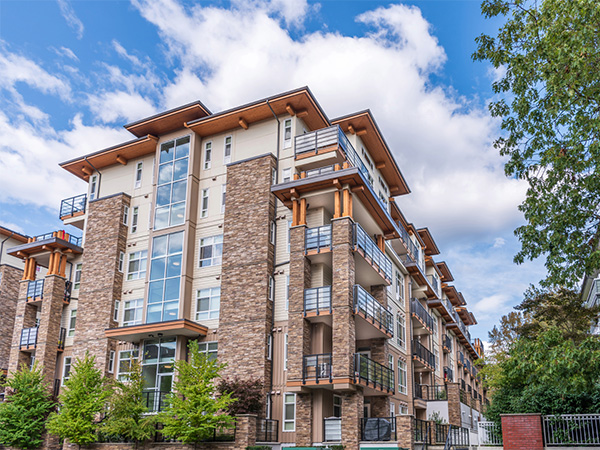
When businesses think about property appearance, they often focus on landscaping, parking lots, or building maintenance. One of the most visible and most overlooked factors is commercial trash removal.
Overflowing dumpsters, odors, and cluttered trash areas can quickly undermine an otherwise well-maintained property. On the flip side, well-managed trash removal supports cleaner properties, happier tenants, and fewer complaints for property managers. Additionally, when tenants feel that a property is properly managed and maintained they are more inclined to stay.
This article discusses how trash removal directly impacts property appearance, tenant satisfaction, and what businesses can do to improve it.
Why Trash Removal Plays a Bigger Role Than You Think
Trash areas are shared spaces that everyone including tenants, customers, inspectors, and delivery drivers see. When trash removal is inconsistent or poorly planned, it can quickly detract from an otherwise well-maintained property. A clean, organized trash area reinforces a strong first impression and signals proactive, professional property management. More importantly, it reduces tenant complaints and helps protect the overall appearance and long-term value of the property. With the right trash removal plan in place, these areas become an asset rather than a liability. Learn more about choosing the right dumpster for your property.
Common Trash Removal Setups on Commercial Properties
Commercial properties rely on the right mix of trash removal solutions to keep waste areas clean, organized, and functional. When dumpsters, compactors, and recycling containers are properly sized, serviced, and maintained, they support a cleaner property and a better experience for tenants and visitors. Problems tend to arise when waste systems are set up without considering real usage, traffic flow, or seasonal changes. Taking a proactive approach to trash removal helps prevent overflow, reduce complaints, and protect the overall appearance of the property. The right equipment, paired with the right service plan, makes a noticeable difference.
Dumpsters
 Are the most common solution for commercial trash removal, but they need to be matched to actual waste volume and usage patterns. Dumpsters that are too small or serviced too infrequently can quickly lead to overflow and surrounding debris. Poor placement can also block traffic, loading areas, or pedestrian access, creating both safety and appearance issues. Proper sizing, placement, and pickup schedules help dumpsters function as intended. When managed correctly, dumpsters keep trash contained and waste areas clean.
Compactors
 Offer a more streamlined solution for properties with higher waste volumes, especially when appearance is a priority. When properly serviced, compactors reduce loose trash, minimize odors, and keep waste contained. However, neglected compactors often become overflow points that frustrate tenants and detract from property appearance. Regular service and volume monitoring ensure compactors remain an asset instead of a liability. A well-maintained compactor supports a cleaner, more organized trash area.
Recycling Containers
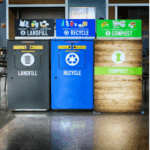 Play an important role in both appearance and sustainability goals. When bins are clearly labeled and properly maintained, they help reduce contamination and keep recyclable materials organized. Confusing signage or poorly serviced containers often lead to litter and misuse, which impacts the cleanliness of the area. A well-designed recycling setup makes it easier for tenants to do the right thing. This improves overall organization while supporting diversion and recycling efforts.
A clean, organized trash area doesn’t happen by accident. It’s the result of the right equipment and a service plan that evolves with the property’s needs. By reviewing dumpster sizing, compactor usage, and recycling container setups, businesses can prevent common issues before they escalate. Proactive trash removal solutions improve appearance, reduce tenant complaints, and protect long-term property value. With the right approach, waste areas become functional, well-managed spaces that reflect the quality of the property as a whole. A waste audit can help optimize your trash removal by providing a holistic overview of your waste needs.
Trash Removal Issues That Hurt Property Appearance
 Poorly managed trash removal can quickly become a daily nuisance that impacts both property appearance and tenant satisfaction. What often starts as a small issue can escalate into ongoing problems when waste systems aren’t properly sized, serviced, or maintained. Overflowing containers, odors, litter, and damaged equipment all send the wrong message about how a property is managed. These issues are highly visible and tend to generate complaints before they’re addressed. A proactive approach to trash removal helps prevent these nuisances from becoming recurring headaches. When trash systems are evaluated and adjusted early, properties stay cleaner and easier to manage.
Overflowing Containers
Overflowing containers are one of the clearest signs that trash removal services are not aligned with actual waste volume. When dumpsters or compactors are too small or pickup frequency doesn’t match usage, trash quickly spills outside the container.
- Bags get stacked outside containers
- Wind spreads debris
- Complaints increase
Mismanaged trash creates clutter, attracts pests, and makes trash areas difficult to use. Overflow also increases the likelihood of litter spreading to surrounding areas. Tenants notice these conditions immediately and often raise concerns. Right-sizing containers and adjusting service schedules helps prevent overflow before it disrupts the property.
Odors and Leaks
Odors and leaks are common issues when trash removal is inconsistent or containers aren’t properly maintained. Food waste, liquids, and missed pickups can cause smells that travel beyond the trash area into tenant spaces. Leaking containers also create unsanitary conditions and increase the risk of slip hazards. These issues are especially noticeable during warmer months or high-volume periods. Odors can quickly damage the perception of an otherwise clean property. Regular service, proper container condition, and proactive planning help keep odors and leaks under control.
Litter and Windblown Debris
Litter and windblown debris often result from open lids, overfilled containers, or poorly placed dumpsters. Loose trash can spread across parking lots, walkways, and landscaped areas, making the entire property appear neglected. Even small amounts of debris can undermine curb appeal and require additional cleanup. Wind and weather only worsen the problem when waste isn’t properly contained. These conditions create frustration for tenants and additional work for property teams. Securing containers and maintaining appropriate service levels helps keep trash where it belongs.
Damaged and Outdated Containers
Damaged or outdated containers can negatively impact both function and appearance. Broken lids, rusted surfaces, or worn equipment make trash areas harder to use and more prone to messes. These containers often contribute to overflow, leaks, and litter issues. They also send a signal that maintenance concerns may be overlooked. Over time, this can affect tenant confidence in property management. Repairing or replacing containers helps improve safety, usability, and overall presentation.
Addressing these common trash removal nuisances requires more than reactive cleanups. A proactive strategy that evaluates container sizing, placement, condition, and service frequency makes a measurable difference. When these elements are managed together, trash areas remain cleaner and more predictable. This reduces tenant complaints and improves daily operations. Most importantly, it helps protect property appearance and reinforces a professional standard of management. With the right approach, trash removal supports the property instead of detracting from it.
How Poor Trash Removal Impacts Tenant Satisfaction
Tenants may not comment when trash removal runs smoothly, but they quickly notice when it becomes a problem. Common tenant concerns include:
- Difficulty accessing dumpsters
- Smells near entrances or loading areas
- Trash blocking walkways or parking spots
- Feeling that property management isn’t addressing issues
Issues like difficult access to dumpsters, odors near entrances or loading areas, and trash blocking walkways can create daily frustrations. When these concerns go unaddressed, tenants may feel that property management is reactive rather than proactive. A properly managed trash removal plan helps prevent these issues before they occur by ensuring containers are accessible, serviced on schedule, and kept clean. This proactive approach supports a safer, more organized environment for everyone on the property. Over time, consistent trash management improves overall property perception and helps protect tenant satisfaction and retention.
Safety and Compliance Risks to Watch For
 Improper trash removal is more than an appearance issue. It can create serious safety and compliance risks for a property.
- Fire hazards from piled or loose debris
- Pest and rodent attraction
- Blocked emergency access
- Municipal or health code violations
Piled or loose debris increases fire hazards, while overflowing containers attract pests and rodents. Trash that blocks walkways, loading zones, or emergency access points puts both tenants and visitors at risk. In addition, unmanaged waste areas can lead to municipal or health code violations that result in fines or corrective action. A proactive trash removal plan focuses on identifying these risks before they escalate. By regularly assessing container condition, placement, and service frequency, potential issues can be addressed early. Properly managed trash removal helps keep properties safer, protects tenants, and ensures ongoing compliance with local regulations.
How Proper Trash Removal Improves Property Appearance
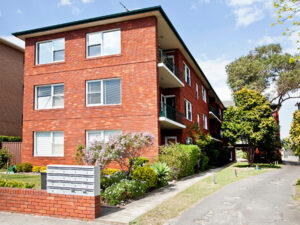 Proper trash removal is a critical part of maintaining a clean, professional-looking property and reinforcing confidence in property management. When waste systems are thoughtfully planned, trash areas remain organized, accessible, and easy to manage. A proactive approach helps prevent common issues like overflow, clutter, and confusion before they impact tenants or visitors. Well-managed trash removal also sends a clear message that property operations are handled with care and attention to detail. Over time, this consistency improves how tenants and visitors perceive the property. It also supports a smoother, more predictable day-to-day operation for property managers.
Right-Sizing Containers
Matching dumpster size and service frequency to actual waste volume is one of the most effective ways to keep trash areas clean. Containers that are properly sized prevent overflow while avoiding unnecessary empty space. This balance helps maintain an orderly appearance and reduces the need for reactive cleanups. Right-sizing also allows trash areas to function efficiently without becoming a visual distraction.
Strategic Placement and Enclosures
Well-placed dumpsters improve both accessibility and appearance. Positioning containers away from high-traffic areas, paired with enclosures or screening, helps minimize visual impact while maintaining convenience for tenants and service providers. Enclosures also help contain debris and reduce exposure to wind and weather. The result is a cleaner, more polished waste area that blends into the overall property layout.
Consistent Pickup Schedules
Reliable pickup schedules are essential for keeping trash areas clean and predictable. Consistent service prevents buildup, especially during high-volume periods or seasonal spikes. When trash is removed on schedule, containers remain usable and surrounding areas stay clear. This reliability reflects positively on property management and reduces tenant concerns.
Clear Signage and Communication
Clear signage makes it easy for tenants to use dumpsters and recycling containers correctly. Simple instructions reduce contamination, misplaced waste, and unnecessary mess. When tenants understand where and how to dispose of trash, waste areas stay more organized. Good communication supports cleaner spaces and fewer service issues.
Proper trash removal is a result of planning, consistency, and attention to detail. When containers are sized correctly, placed strategically, serviced reliably, and supported with clear guidance, trash areas remain clean and functional. These efforts directly improve property appearance and reduce avoidable issues. Most importantly, they reinforce the perception that the property is well-managed, professional, and maintained with care.
The Role of Waste Audits in Better Trash Removal
A waste audit takes the guesswork out of trash removal by providing a clear picture of how waste is actually generated and managed on a property. By reviewing real trash volume, container sizes, pickup frequency, and seasonal fluctuations, opportunities for improvement become easy to identify. This process helps eliminate overflow, underused containers, and unnecessary service costs. When trash removal is properly aligned with actual needs, properties stay cleaner and more organized. Fewer issues around trash areas lead to fewer tenant complaints and less time spent on reactive fixes. A well-executed waste audit also helps protect the overall appearance of the property. In many cases, these adjustments improve efficiency while lowering total waste management costs without disrupting tenant operations.
Seasonal and High-Traffic Considerations
 Move-ins, renovations, holidays, and peak business seasons all create temporary increases in trash volume that can strain standard service levels. Without adjustments, these spikes often lead to overflow, cluttered trash areas, and tenant complaints. Lift Waste works as a partner in waste removal, helping properties plan ahead for seasonal and high-traffic periods. By proactively adjusting container sizes, pickup frequency, or adding temporary services, properties stay clean and organized even during their busiest times. This flexible approach helps maintain property appearance and keeps operations running smoothly year-round.
Best Practices for Property Managers and Owners
Effective trash removal starts with a proactive approach from property managers and owners. Regular attention to trash areas helps prevent small issues from turning into larger, more costly problems. By staying ahead of maintenance needs and service adjustments, properties remain cleaner, safer, and more professional in appearance. Clear communication and routine reviews also reinforce expectations and support long-term tenant satisfaction.
• Inspect trash areas regularly
• Address container damage promptly
• Review trash services annually
• Adjust service before problems escalate
• Communicate expectations clearly with tenants
Following these best practices helps property managers maintain clean, organized trash areas and avoid unnecessary disruptions. Regular inspections make it easier to catch issues like overflow, damage, or misuse before they escalate. Addressing container repairs promptly keeps trash areas functional and prevents safety or appearance concerns. Annual service reviews ensure dumpster sizes, pickup frequency, and equipment still match actual usage. Making adjustments early helps avoid reactive cleanups and tenant complaints. Clear communication with tenants sets expectations and encourages proper use of trash and recycling areas. Together, these steps support a more efficient trash removal plan and reinforce a professional, well-managed property.
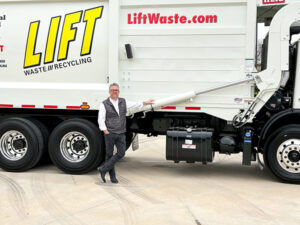 Trash removal plays a much bigger role in property operations than many businesses realize. From dumpsters and compactors to recycling containers, the way waste systems are set up directly impacts cleanliness, safety, and overall property appearance. When trash removal is inconsistent or poorly managed, it quickly leads to overflow, odors, and tenant complaints that affect how a property is perceived. On the other hand, a well-planned trash removal setup supports smoother daily operations and reinforces confidence in property management. Clean, organized trash areas improve tenant satisfaction and help protect long-term property value. These details often shape first impressions and influence how tenants and visitors view the property as a whole.
About the Author
Mark McDonald is a Co-Owner of Lift Waste & Recycling, a successful waste management company located in Greensboro, North Carolina.


