

Introduction: Understanding Dumpster Rules
Renting a dumpster is a convenient way to manage cleanup projects, whether you’re tackling a home renovation, yard cleanup, or major decluttering. But knowing what you can put in a dumpster is crucial to ensure safe and legal disposal. Tossing the wrong items can lead to environmental hazards, fines, or additional fees.
In this guide, we’ll break down the dos and don’ts of dumpster rental. You’ll learn which items are allowed, what’s prohibited, and alternative solutions for items that can’t go into your dumpster. Whether you’re a homeowner or a business owner, this information will help you handle waste responsibly and confidently.
Remember to Donate: If you have items in good condition, consider donating them. Local charities, thrift stores, or online community groups (like Freecycle or Facebook Marketplace) are great options for giving your items a second life while being environmentally friendly.
What You Can Put in a Dumpster
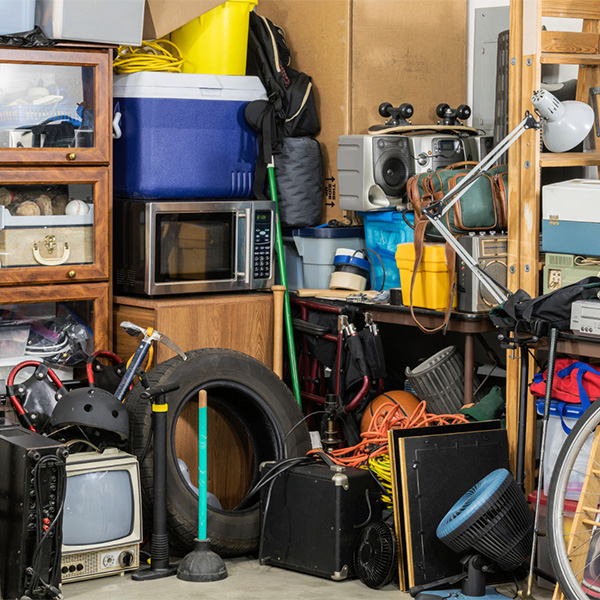 Knowing what’s allowed in a dumpster can save you time and prevent unnecessary hassles. Here’s a breakdown of common items that can safely be disposed of in most dumpsters:
1. Household Items
Dumpsters are perfect for clearing out unwanted household junk. You can dispose of:
- General trash like food leftovers, plastic wrappers, and dirty paper towels.
- Old furniture like sofas, chairs, and tables.
- Non-refrigerated appliances (e.g., microwaves, ovens).
- General clutter, including toys, clothes, and books.
2. Yard Waste
If you’re tackling an outdoor project, most dumpsters can handle organic yard waste such as:
- Tree branches, grass clippings, and leaves.
- Shrubs and small stumps (confirm size limits with your rental provider).
3. Construction and Renovation Debris
For home improvement or construction projects, dumpsters are ideal for:
- Drywall, lumber, flooring, and roofing shingles.
- Bricks, concrete, and tiles (check for weight restrictions).
4. Non-Hazardous Trash
General household trash can usually go into a dumpster, including:
- Paper, cardboard, and packaging materials.
- Plastics and non-recyclable items.
Reminder: Always confirm with your dumpster rental provider if you’re unsure about a specific item. While these categories cover most allowed items, rules can vary by location and company.
What You Cannot Put in a Dumpster
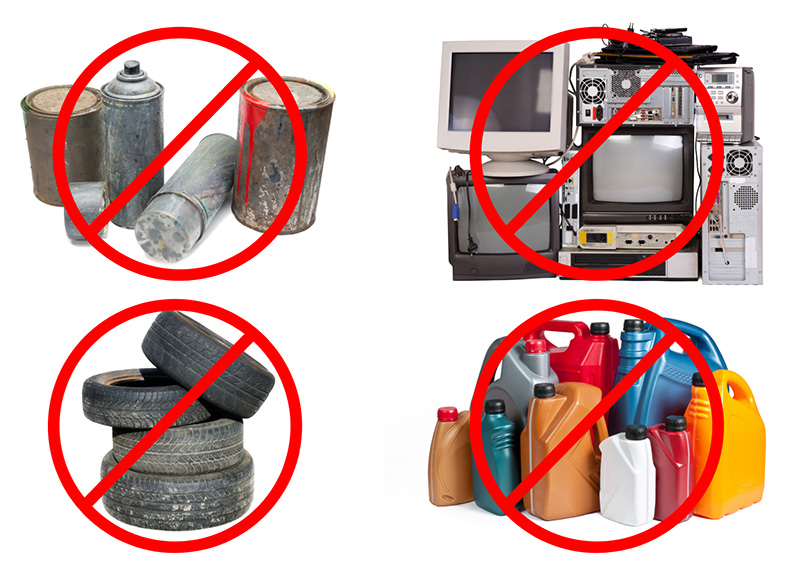 While dumpsters are versatile, certain items are prohibited for safety, environmental, or legal reasons. Disposing of these items incorrectly can lead to fines or harm to the environment. Here’s what to keep out of your dumpster:
1. Hazardous Materials
Hazardous waste requires special handling and cannot be placed in dumpsters. This includes:
- Paint, solvents, and chemicals.
- Pesticides, herbicides, and fertilizers.
- Asbestos and other toxic substances.
2. Electronics (E-Waste)
Many areas have strict regulations about disposing of electronics in dumpsters. Common e-waste items include:
- Televisions, computers, and printers.
- Cell phones and other small electronic devices.
Consider taking these items to a certified e-waste recycling center instead.
3. Liquids
Dumpsters are not designed for liquids of any kind. This includes:
- Motor oil, fuel, and other automotive fluids.
- Cleaning products, including bleach and ammonia.
4. Tires and Auto Parts
Due to their size and potential environmental impact, tires and car parts are typically not allowed in dumpsters. Instead, check with local tire retailers or auto shops, as they often accept these items for recycling.
5. Mattresses
We do not allow mattresses in our dumpsters due to local disposal regulations. For proper disposal, please contact your local Solid Waste Transfer Station.
6. Medical Waste
Sharps, prescription medications, and other medical waste cannot be thrown into dumpsters. These items should be disposed of through designated medical waste programs.
Regional Regulations: Know Before You Throw
 Dumpster disposal rules can vary significantly depending on local laws and regulations. Understanding these requirements is crucial to avoiding fines or additional fees. Here’s what you need to know:
1. State and Local Laws
Different states and municipalities have unique guidelines for what can and cannot go into a dumpster. For example:
- Some areas may restrict the disposal of yard waste or e-waste in regular dumpsters.
- Hazardous waste laws can differ, with specific rules for items like paint or chemicals.
2. Permits for Dumpster Use
If you’re placing a dumpster on public property, like a street or sidewalk, many cities require a permit. Be sure to check:
- Whether your project location requires a permit.
- How to obtain one through your local government or dumpster rental company.
3. Recycling Requirements
In some regions, recyclables must be separated from general waste. Local laws might mandate the separation of items like:
- Cardboard and paper products.
- Plastics, glass, and metals.
4. Check with Your Dumpster Provider
Most dumpster rental companies are familiar with the regulations in their service areas. They can guide you on:
- Items that are permitted or restricted.
- Local recycling and hazardous waste disposal facilities.
When in doubt, ask your dumpster rental provider for a list of prohibited items and local disposal tips. They’ll help ensure your project stays compliant with all regional guidelines.
Alternatives for Prohibited Items
 If you find yourself with items that cannot go into a dumpster, there are plenty of safe and eco-friendly disposal options available. Here’s how to handle common prohibited materials:
1. Hazardous Waste Disposal
For items like paint, chemicals, and batteries:
- Drop-Off Sites: Many communities have designated hazardous waste drop-off locations.
- Special Collection Days: Check if your city offers hazardous waste collection events.
2. Electronics (E-Waste)
For old TVs, computers, and other electronics:
- Recycling Programs: Retailers like Best Buy and Staples often have e-waste recycling services.
- E-Waste Centers: Look for certified facilities that specialize in electronics recycling.
3. Tires and Auto Parts
- Tire Retailers: Many tire shops accept used tires for a small recycling fee.
- Auto Shops: Ask local mechanics if they recycle auto parts or fluids.
4. Medical Waste
- Pharmacies: Many pharmacies accept expired medications through take-back programs.
- Sharps Disposal: Purchase approved sharps containers and drop them off at designated sites.
5. Liquids and Flammable Materials
- Oil Recycling Centers: Check with local auto shops or recycling facilities for motor oil and fuel disposal.
- Greensboro Household Hazardous Waste Collection Center: This location can handle paint, thinners and glues, household cleaners and batteries, nail polish, polish remover and hair spray, pesticides and fertilizers.
Taking the time to dispose of prohibited items responsibly not only protects the environment but also keeps your project stress-free and compliant with local regulations.
Dumpster Use Made Simple
Disposing of waste doesn’t have to be complicated when you know what you can and cannot put in a dumpster. By following proper guidelines and understanding the rules, you can save time, avoid fines, and ensure your project runs smoothly.
If you’re ready to rent a dumpster or have questions about specific items, reach out to Lift Waste & Recycling. We’re here to provide expert advice and reliable services to help you manage your project with ease.

About the Author
Mark McDonald is a Co-Owner of Lift Waste & Recycling, a successful waste management company located in Greensboro, North Carolina.


